"Tailor Made Automation"
Diamat relies on system solutions from KEB for plastics recycling
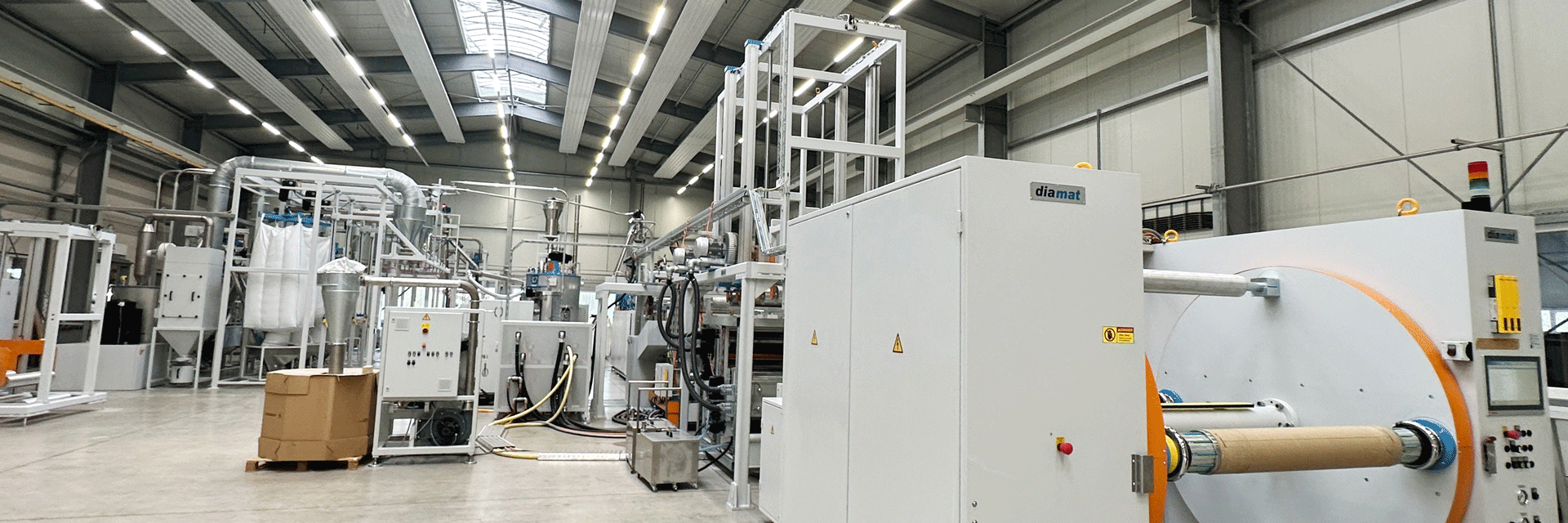
Plants for recycling plastics play a central role in the circular economy. They enable plastic waste to be sustainably converted into valuable secondary raw materials, thereby reducing the demand for primary materials. The plants take in materials, sort them and process them mechanically or chemically. The result: resources are conserved, emissions are reduced and material cycles are closed. Like crushers or shredders, which handle the initial stages of the circular economy, plastic recycling plants place high demands on the drive technology used. Energy efficiency, robustness and high torque at low speeds are just a few of the many aspects that KEB Automation takes into account when designing the appropriate system solution.
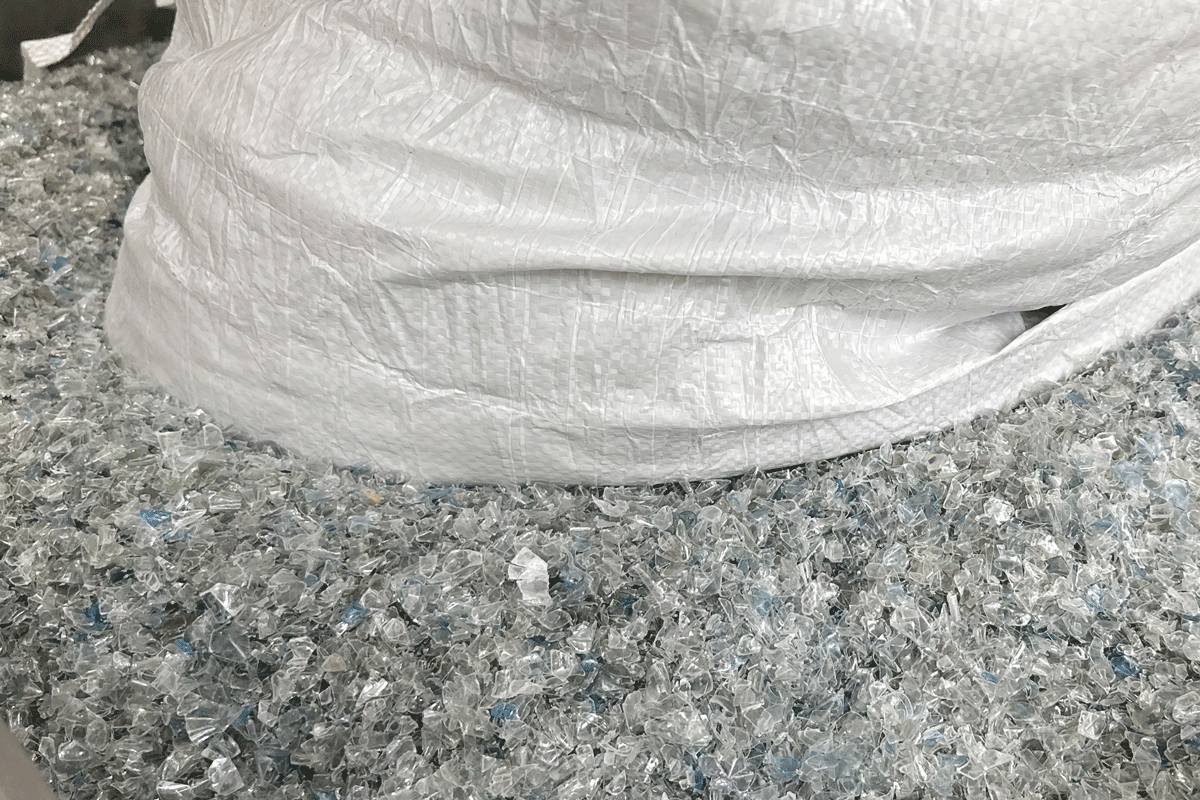
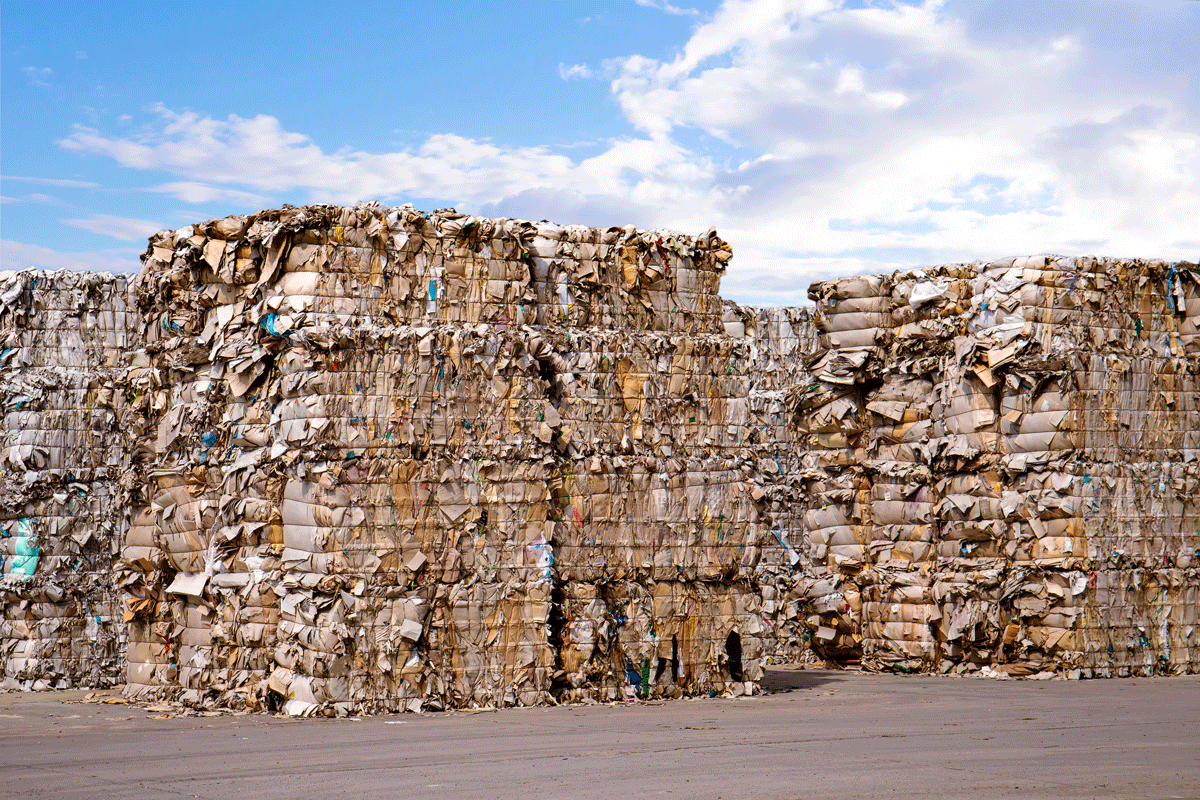
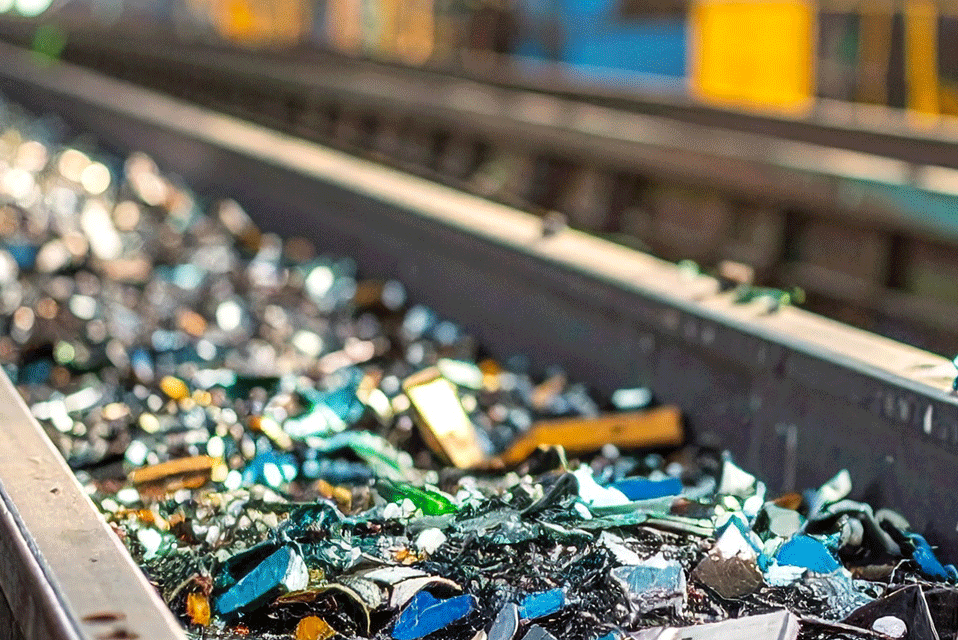
A wide variety of waste materials can be turned into reusable raw materials. These sustainable processes require systems that can identify and separate recyclable materials, thereby converting them into high-quality fractions. KEB focuses in particular on the automation of systems for recycling plastics. However, these system solutions can also ensure efficiency and safe operation in other recycling plants. An overview:

+43 72435358618
+43 676 40 55 294
markus.weissensteiner@keb.at
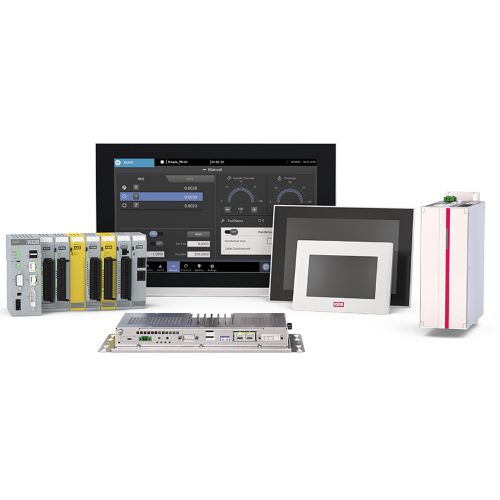
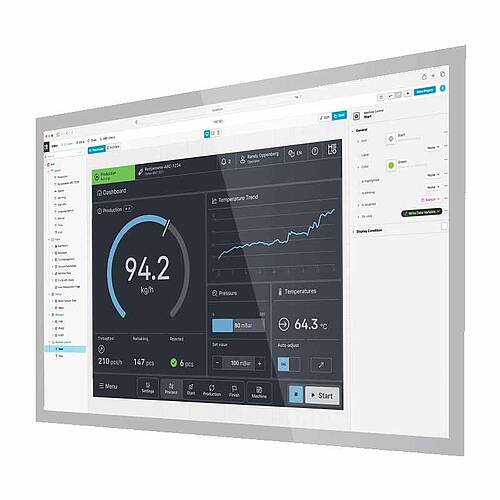
Plastics recycling plants are complex systems, as they themselves consist of various units such as extruders, melt pumps and granulators. Coordinating these components can be challenging. This makes user-friendliness all the more important for smooth operation. This is where the HMI management tool HELIO comes into play. With HELIO, users can create intuitive HMIs more quickly and easily; thanks to modern web technology, these are truly responsive and independent of platforms and end devices – all without any programming knowledge. To complement this, KEB relies on fully flexible, open controllers with temperature control and autotuning functions for its system solutions for recycling plants.
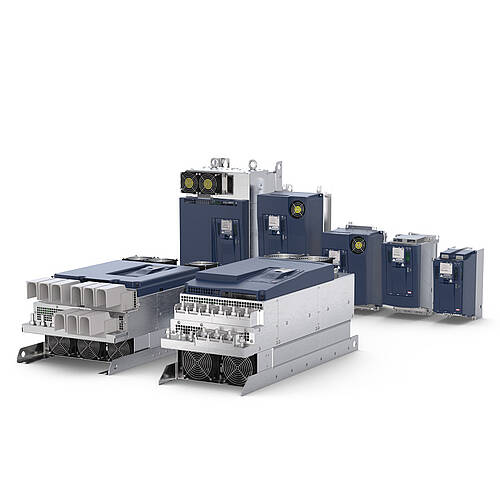
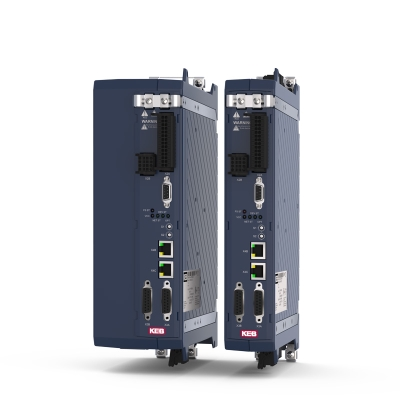
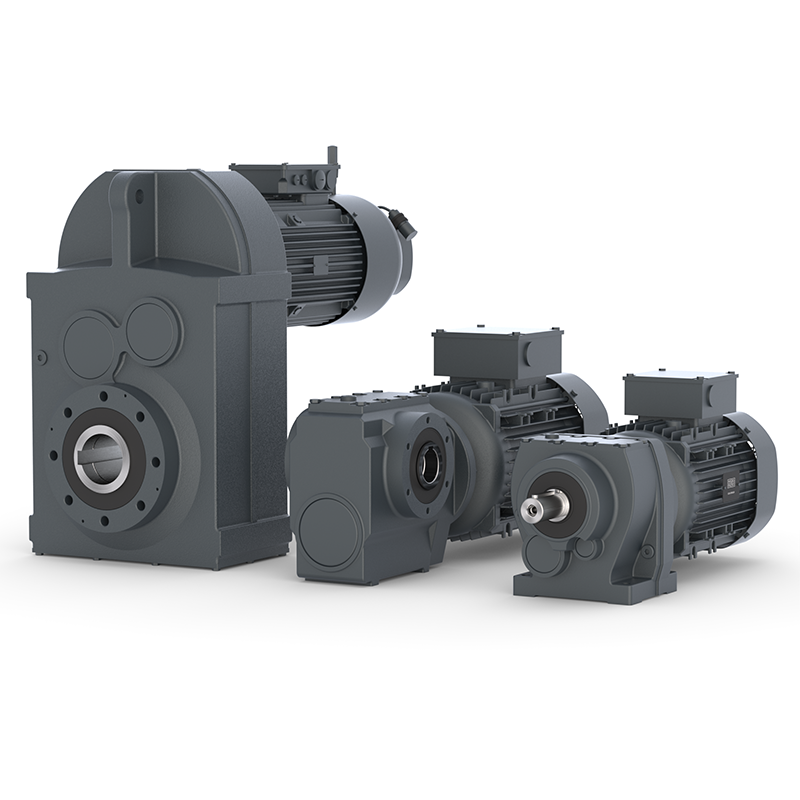
It is not uncommon for different motor technologies to be required within a recycling plant – from geared motors for the conveyor belts to high-performance motors for the extruder, which are available in water-cooled or IP23 / IP54 air-cooled versions. Thanks to a broad motor portfolio, the motors that best meet individual requirements can be selected – ranging from permanent magnet and synchronous reluctance motors to asynchronous motors. The COMBIVERT F6 Drive Controllers and COMBIVERT S6 Servo Drives are available in the range from 0.75 kW up to the megawatt range and come with key safety features already integrated into the drive.
Another advantage: the drives can control all types of motors. Plastic recycling plants have high energy requirements. Solutions are therefore needed to reduce operating costs to a minimum. This is precisely what is achieved by the latest S6/F6 technology with IE2-certified efficiency. The water-cooled drives and motors are particularly of interest for extruders. This ensures that the extruder remains compact and noise emissions are also reduced.
Consistent operation and firmware for drive controllers ranging from 0.75 kW up to the megawatt range.
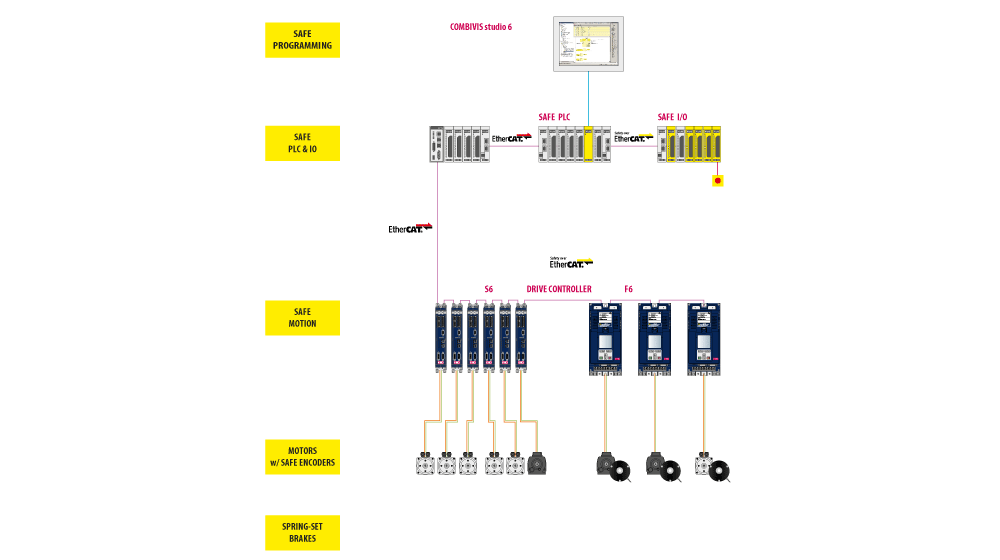
Electrical machines and systems are subject to increasingly stringent safety requirements. Simplify your safety concept with the KEB drive controller’s integrated safety functions. Speeds, positions and various other functions are monitored directly in the drive electronics. The KEB safety control integrates the requirements of safety technology into the functional control environment. Safe communication with the control level serves as a widely used and established FSoE (Safety over EtherCat) solution – alternatively, communication via ProfiSafe is also available. In addition to, or instead of, a safe field bus system, individual safety functions can also easily be switched on and off via digital inputs. With the certification of sensorless safety functions, in some cases speed-related functions can also be implemented without a sensor system.
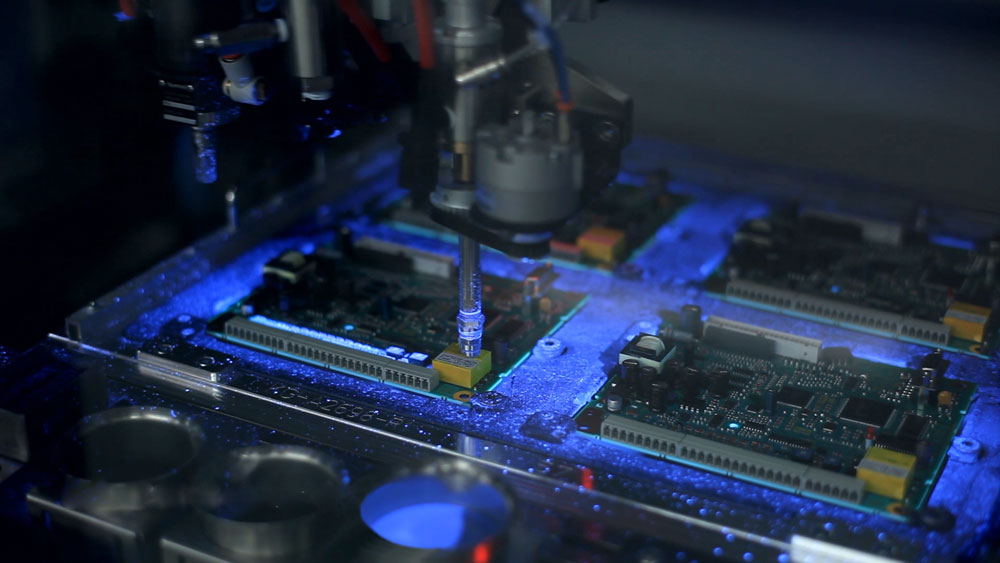
Harsh ambient conditions can attack the electronic components inside machines and systems, causing permanent damage. This is where the optional 3C3 protective coating (IEC/EN 60721-3-3 Class 3C2) comes into play on the printed circuit boards of our drive controllers. Adapted to the environmental demands, the coating provides protection and prevents defects and unwanted downtimes. Overall, the service life of inverters is extended – with positive impacts on the operating costs.

ASCL (Asynchronous Sensorless Closed Loop) and SCL (Sensorless Closed Loop) are proven sensorless control methods developed by KEB Automation. They are advantageous in situations where high output speeds usually make it very difficult or even impossible to attach a sensor. Suitable for asynchronous, synchronous, reluctance, linear, spindle or torque motors, these methods ensure optimal and precise control and sensorless positioning – and are also inexpensive and easy to install. The underlying software contains coordinated virtual motor models.